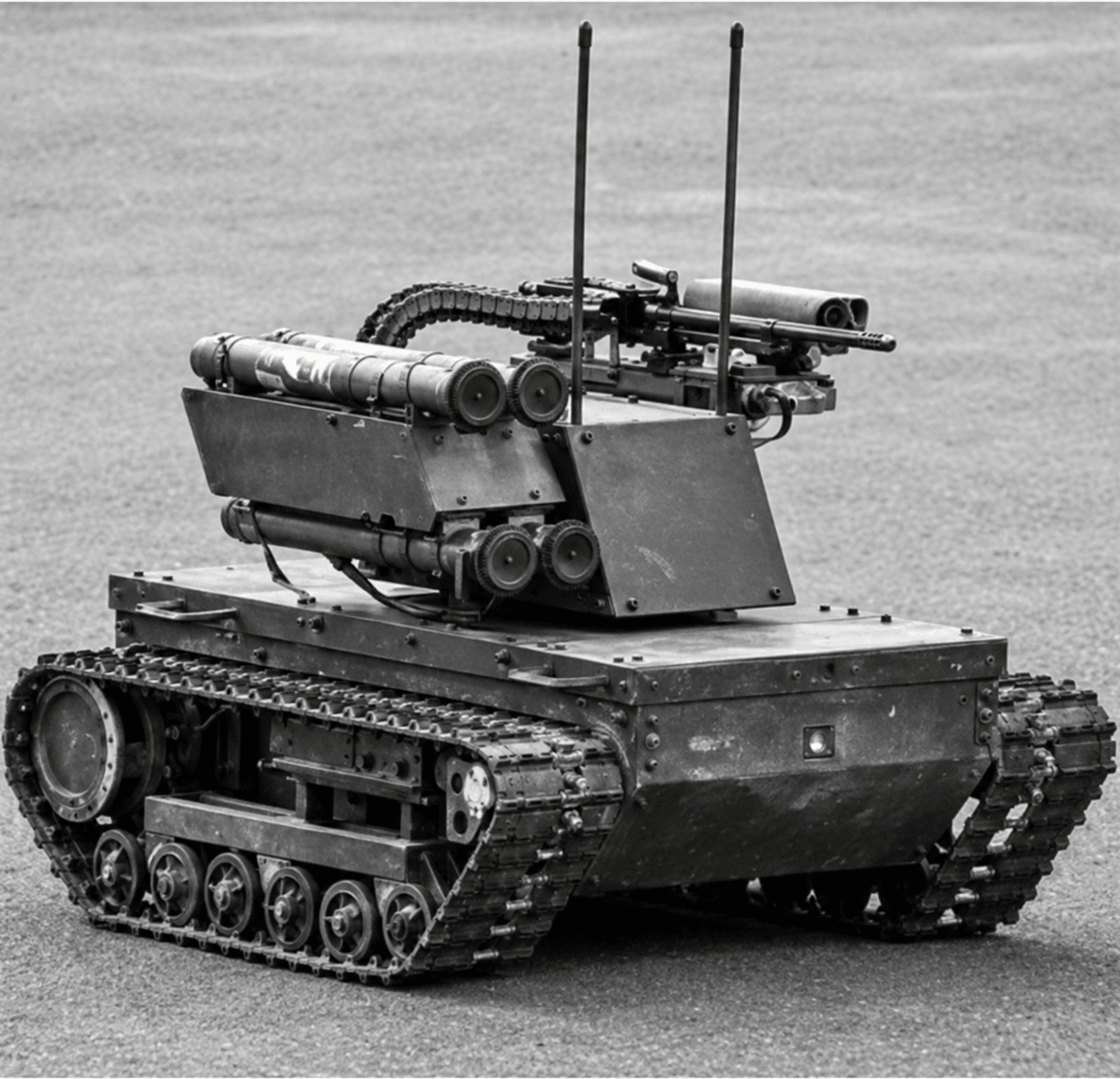
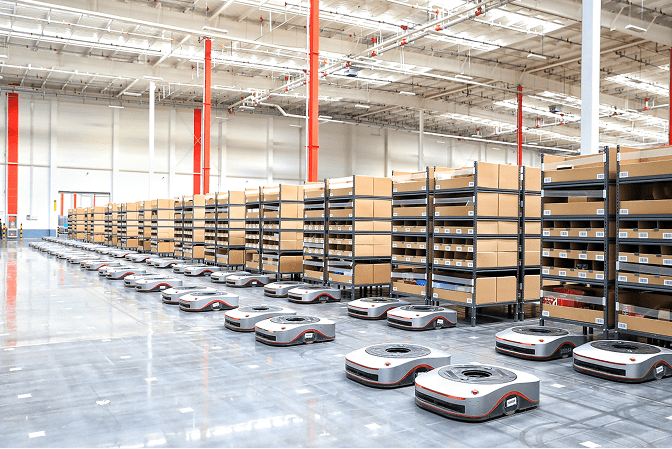
A robot is designed through the integration of sensors, a controller, actuators and a feedback system. The success of the robot depends on the proper functioning and coordination of all these components.
Sensors: Sensors are the input devices of a robot. They detect changes in the environment based on features like temperature, pressure, light, sound and distance, and convert them into signals that are sent to the controller. Commonly used sensors are proximity sensors, ultrasonic sensors, cameras and force sensors.
Controller: The controller is the brain of the robot. It receives the input from the sensors, processes it using different control algorithms and takes decisions about the action to be performed. It then generates and sends the control signals to the actuators.
Actuators: Actuators are the devices that produce the physical movement of the robot. They convert the electrical signal received from the controller into mechanical motion and move parts such as arms, legs, wheels or grippers. Commonly used actuators are electric motors and pneumatic or hydraulic cylinders.
Working: The sensors sense the environment and send the data to the controller. The controller processes this data, takes a decision and sends commands to the actuators, which perform the required physical action. The sensors then observe the resulting output or changes in the environment and send updated information to the controller as feedback. This helps the controller make corrections and keep the output in the desired range.